
Image quality is extremely important, but there is one element that has a much greater impact on how an audience perceives a video: the audio.
In professional video production, great audio isn’t a bonus; it’s expected. In fact, poor audio can absolutely ruin an otherwise perfectly shot video. On the other hand, a slightly imperfect visual is often forgiven if the sound is clear, balanced, and professional.
Understanding why audio matters more than camera resolution can help companies, organizations, and individuals make smarter product decisions when looking for a Washington, DC video production company.
Viewers Will Tolerate Imperfect Video — But Not Bad Audio
One of the most important things that videographers learn is this: audiences are much more sensitive to sound issues than video issues. A viewer will often accept video footage that isn’t well-lit or ultra-sharp, but if the audio is muffled, distorted, or inconsistent, they take it to be unprofessional.
In the context of Washington, DC video production, this is especially important. Many videos that we do are used for:
- Corporate communications
- Political messaging
- Government agencies
- Legal firms
- Nonprofits and advocacy groups
- Educational and training content
These audiences expect clarity, authority, and credibility. Poor audio undermines all three.
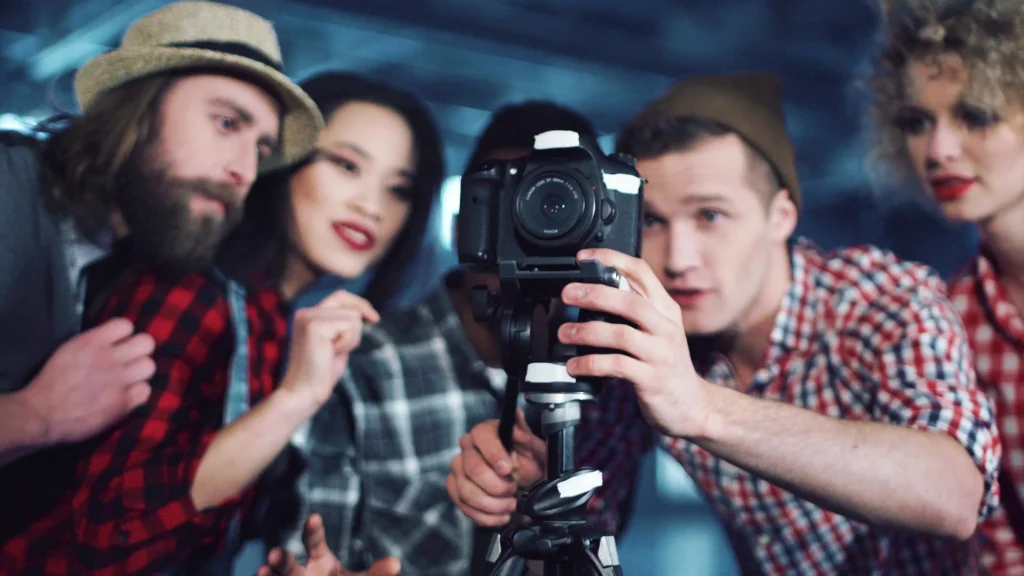
Great Video Matters, But Great Audio Matters More
Consider how most videos are consumed. They are seen on mobile phones, social media platforms, on websites, or through a platform like YouTube or Instagram.
In some cases, a viewer may not be able to tell the difference between a well-shot HD video and a 4K video. However, what they can tell is whether or not the audio is clear and easy to understand.
For most Washington DC video production projects, investing in professional audio yields a far greater return than simply upgrading camera resolution.
Audio Is the Primary Vehicle for Your Message
Video is ultimately about communication. It doesn’t matter what the goal is. It could be to inform, persuade, train, or inspire; the message is delivered via audio.
Audio communicates:
- The spoken message
- Tone, emotion, and authority
- Professionalism and trust
- Brand quality
If a viewer cannot understand what’s being said, they will quickly stop paying attention. This is especially true for corporate videos, interviews, testimonials, and political and nonprofit messaging, which is very common here in DC.
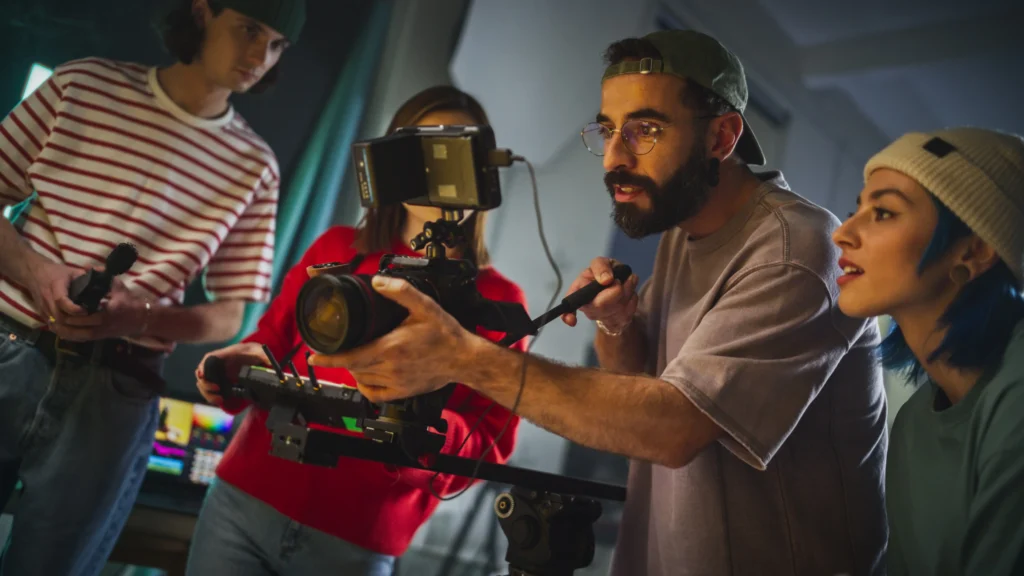
Washington, DC Filming Environments Make Audio More Challenging
Audio quality isn’t just about the equipment. Environment also plays a major role, and in a city like Washington, DC, there are challenges for sound recording.
Common things we deal with include:
- Traffic noise
- Sirens and emergency vehicles
- Airplanes and helicopters
- Crowds and public spaces
- Echoes in large office buildings or marble interiors
A professional Washington, DC video production team can account for these challenges through proper planning, microphone selection, sound monitoring, and post-production audio cleanup.
Professional Audio Equipment Matters More Than Camera Specs
Many modern cameras, even entry-level ones, are capable of producing visually acceptable footage. Audio, however, requires specialized tools and expertise.
Professional audio setups often include:
- Lavalier microphones for interviews
- Shotgun microphones for directional sound
- Field audio recorders for clean signal capture
- Wind protection and shock mounts
- On-site audio monitoring with headphones
These tools allow us to isolate voices, reduce background noise, and keep consistent levels throughout a shoot. Without them, even the best camera footage can feel like it was done by an amateur.
Poor Audio Damages Brand Perception
In marketing and corporate communication, perception always matters. Audio quality directly affects how a brand is perceived.
Poor audio can suggest:
- Lack of professionalism
- Low production standards
- Inattention to detail
- Reduced credibility
For organizations investing in Washington, DC video production to represent their brand, audio quality is not an area to cut corners. Viewers subconsciously associate sound quality with the competence and seriousness of the organization itself.
Audio Impacts Accessibility and Engagement
Clear audio also plays a role in accessibility. While captions and subtitles are important, many viewers still rely on sound for full engagement.
Clear audio helps:
- Non-native English speakers
- Older viewers
- Viewers watching without headphones
- Viewers in noisy environments
Videos with strong audio are more likely to be watched longer, shared, and remembered. Algorithms on many platforms also favor videos with higher engagement and completion rates.
Audio Post-Production Is as Important as Recording
Even well-recorded audio requires professional post-production. This includes:
- Noise reduction
- Equalization
- Compression
- Volume balancing
- Music mixing
When doing video production in Washington, DC, post-production audio work is where a video truly becomes polished. This process ensures voices are clear, consistent, and comfortable to listen to across different devices.
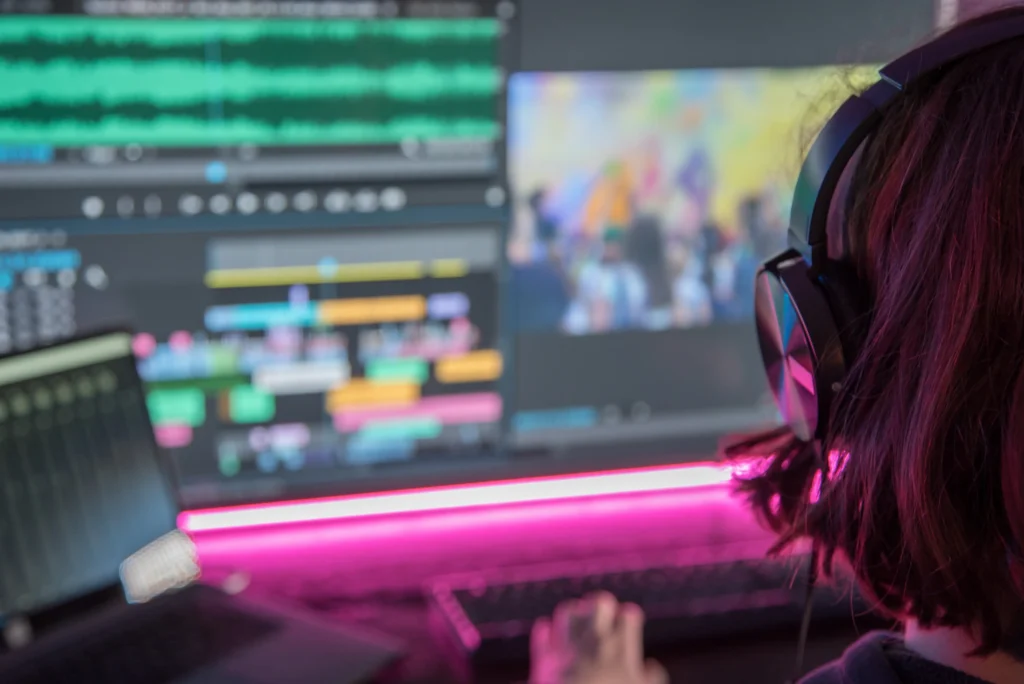
Smart Video Production Prioritizes Audio First
The most effective Washington, DC video production teams prioritize audio planning from the start. This includes scouting locations for sound issues, choosing the right microphones, budgeting for audio equipment, and allocating time for proper sound checks.
Clients who understand this are better positioned to get real value from their video investment.
In video production, clarity always beats resolution. While 4K cameras continue to dominate marketing conversations, audio remains the most critical element in how a video is experienced and judged.
For businesses and organizations investing in Washington, DC video production, focusing on professional audio capture and post-production is one of the smartest decisions that can be made. Great audio builds trust, keeps viewers engaged, and ensures the message is actually heard.
When choosing a video production partner, asking about audio strategy may tell you more about quality than asking about camera specs ever will.


