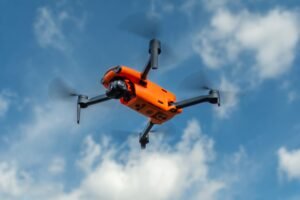
Commercial drone photography and videography can produce incredible shots for real estate, commercial events, and corporate marketing. However, flying a drone in Northern Virginia requires navigating federal and local laws. This is because Northern Virginia sits against Washington, DC, military bases, federal agencies, and controlled airspace that most regions never deal with.
In this guide, we’re not going to cover criminal law enforcement or the government’s use of drones during the execution of administrative or inspection warrants. This guide is purely for businesses planning a shoot and covers what they need to know about drone laws in Northern Virginia.
Why Northern Virginia Has Some of the Strictest Drone Restrictions in the Country
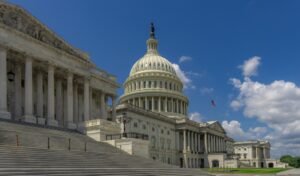
Northern Virginia shares a border with Washington, DC. It falls inside the DC Special Flight Rules Area (SFRA), which features a strict inner 15-mile radius known as the DC Flight Restricted Zone (FRZ). The FRZ completely envelopes Arlington, Alexandria, and portions of Fairfax. In addition to that, this region is home to:
- Military installations, including the Pentagon and Fort Belvoir
- Buildings tied directly to the federal government
- Intelligence facilities, some operating as contracted defense facilities
- Multiple airports, from Reagan National to Dulles to smaller regional fields nearby
Each one creates its own pocket of restricted airspace. Stack them on top of each other, and you get overlapping controlled airspace that shifts depending on exactly where you’re standing.
Some locations may sit near military installations or security-sensitive facilities that create significant operational restrictions. Others sit close to critical infrastructure that carries its own protections.
Simply put, drone laws in Virginia vary. What’s legal a mile away might not be legal in your immediate airspace. Commercial drone flights need far more planning in Northern Virginia than in most of the country.
Who Regulates Commercial Drone Flights?
Commercial drone operations are typically affected by three separate sources of rules or restrictions: federal aviation regulations, Virginia law, and property-owner permissions. Here’s what you need to know:
- Federal Law: The FAA controls the airspace itself, and commercial photography or videography falls under Part 107.
- Virginia Drone Laws: Under Virginia state law, a political subdivision solely controls what happens on property it owns. Since local cities and counties are legally preempted from regulating the airspace, they exert control through land use instead. A local government may control whether you can launch, land, or operate from property it owns, even when the surrounding airspace remains subject to federal regulation.
- Property Owner’s Rights: Even with full legal authority to fly under federal regulations, you still need permission to launch from someone’s land.
It’s worth noting that all of the above can apply to the same shoot. Another thing to remember is that local drone laws vary from one Northern Virginia jurisdiction to the next.
Basic FAA Rules for Commercial Drone Photography and Videography
Before Northern Virginia’s own restrictions come into play, there’s a baseline set of rules that apply everywhere in the country. These come from FAA regulations. They don’t change based on which state you’re flying in.
To fly drones commercially, a pilot generally needs a remote pilot certificate. This can be earned by passing the FAA Part 107 knowledge test.
For recreational purposes, if a drone weighs more than 0.55 pounds, drone registration at the FAA DroneZone is required by law. However, for commercial projects, you need to register the drone regardless of weight. Complying with the FAA’s Remote ID broadcast requirements is also crucial for nearly all drone operations.
From there, the rules cover how a drone flight actually happens. They include:
- Maximum altitude of 400 feet above ground level
- Visual line of sight with the aircraft at all times
- Yielding right of way to manned aircraft
- Completing the updated FAA recurrent safety training and using anti-collision lighting visible for at least 3 statute miles during night operations
These apply to drone use across the entire national airspace system.
Planning a Drone Shoot in Northern Virginia
You can’t just shoot anywhere in Northern Virginia. Drone operators must do thorough research before flying a drone.
Research means checking current airspace, scanning for nearby government facilities, and accounting for military installations and airport proximity. It also means checking for temporary flight restrictions. They can pop up with little warning and catch even careful drone pilots off guard.
If a location requires prior FAA authorization, it’s important to obtain it. That said, authorization isn’t always granted. We’ve learned this firsthand.
On one shoot, we arrived expecting to fly, only to find the location sat near a federal facility directly within a National Security UAS Restriction Zone. Authorization wasn’t even on the table.
On another shoot, our research showed a nearby high-security government facility. Any regulatory violations here carry serious consequences. We planned our flight path around it and walked away with amazing drone footage that day.
A lack of research can cause a shoot to go off the rails. You’ll find yourself seeking approvals at the last minute, which could take some time. You might not even receive authorization, resulting in a delayed project. Always arrive early to tackle any issues that may arise on the filming day before the shoot begins.
Common Places Businesses Want Drone Footage and What to Consider
Some of the most common places for drone footage in Northern Virginia include:
- Office buildings
- Corporate campuses
- Construction sites
- Hotels
- Event venues
- Real estate developments
- Virginia state parks and other commercial properties
Many public parks, including Virginia State Parks, restrict or prohibit drone launching and landing without prior authorization. Rules vary by park and managing authority.
Also, you can’t just fly drones on commercial properties, even if the airspace above is technically open. It’s important to seek the owner’s sign-off before capturing photographs or videos on such property.
Being lawfully present on the ground is a separate question from being cleared to fly. Virginia law makes it a Class 1 misdemeanor to operate a drone onto another person’s property and within 50 feet of a dwelling house after receiving actual notice to desist, or for purposes of coercion, intimidation, or harassment.
Privacy matters too. Filming near hotels or event venues in an otherwise lawful manner still means being mindful of what’s in frame.
Every location needs its own research. A property might look fine on its own, yet sit close enough to restricted airspace to change the whole plan.
Why Businesses Should Hire an Experienced Commercial Drone Operator
Commercial work isn’t the same as recreational flight. The exception that covers limited recreational operations and casual recreational UAS operations doesn’t apply once a shoot is for a business.
An experienced operator does the unglamorous work before a camera ever turns on. They help:
- Research the location
- Check controlled airspace
- Request authorizations when needed
- Plan a flight path that actually works given what’s nearby
An experienced operator knows the local restrictions that don’t show up on a quick search. Plus, they carry the insurance to back up the work.
Sometimes, strict airspace boundaries mean utilizing unmanned aircraft systems isn’t an option at all. Because regulations must always take priority over footage, a professional operator with the right legal authority consents to fly only when it’s allowed. It’s better to adjust the shot list on-site, change locations, or cut the drone portion entirely instead of breaking the law.
Common Questions About Operating Drones
Can I Fly a Drone Anywhere in Northern Virginia?
No. Restrictions depend on the exact location, right down to the property line.
Can I Fly Near Washington, DC?
Restrictions near Washington, DC, are significantly more stringent than ordinary controlled airspace. Depending on the exact location, drone operations may require authorization, special approvals, or may be prohibited altogether.
Can I Request Authorization If I’m in Controlled Airspace?
Sometimes. It depends on exactly where you are and what’s nearby. Some locations simply won’t get approved, no matter how the request is written.
What Happens If I Fly Somewhere I’m Not Allowed?
Consequences can range from fines to enforcement action, and a local law enforcement officer remains the primary person who typically responds on-site. Unauthorized flights can also mean project delays while everything gets sorted out.
Do Commercial Drone Pilots Always Research Locations Beforehand?
Reputable ones do, every time. Temporary flight restrictions can appear with little notice, especially near an active emergency incident. In some situations, the fire department or fire chief may need the airspace cleared for their own aircraft. Researching prior to a shoot is crucial.
Work with a Dependable Video Production Company Today!
Whether you need drone photography or videography for a corporate or commercial event, DC Corporate Video can help you avoid costly surprises. Call us today to discuss your project, and we’ll send over a free custom quote!