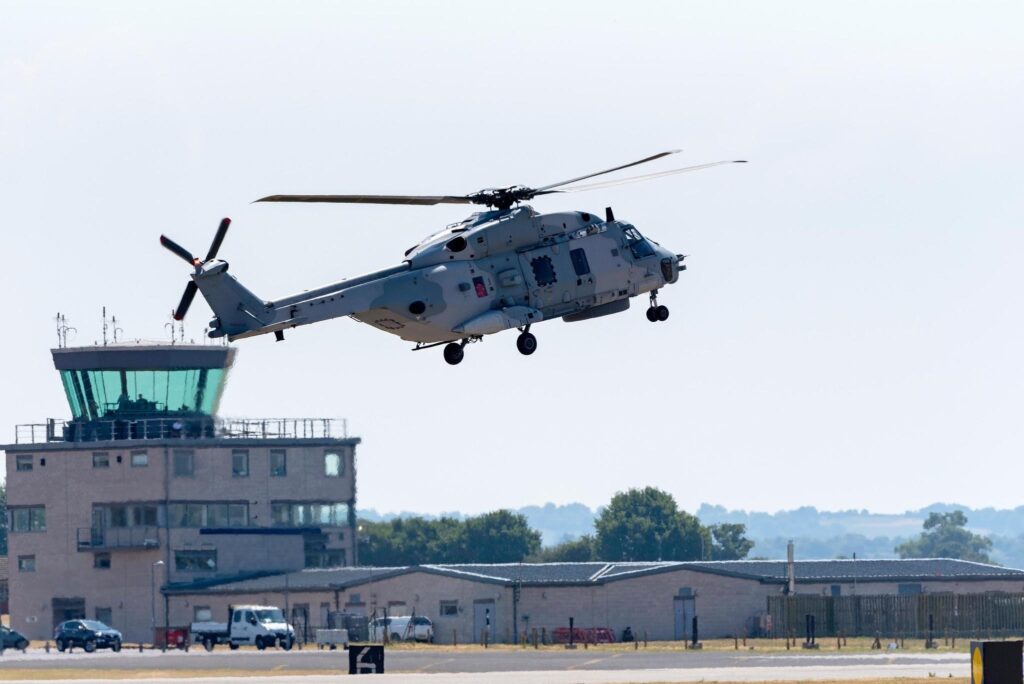
Filming military installations in Maryland is much different from shooting at a corporate office. Military bases have their own security procedures. Plus, access is never automatic. While productions involving documentaries and interviews are often approved, it’s important to follow the right procedures.
DC Corporate Video has extensive experience filming on military bases. In this blog post, we will go over the rules and restrictions while also sharing our firsthand experience filming at Maryland military bases.
Why Filming on Military Bases Requires Additional Planning
At a military base, security and operational requirements come first. Every decision about access is filtered through that priority. Since it’s important to protect personnel, sensitive information, and restricted buildings, you’ll only receive controlled access.
Each installation also runs its own command structure. The authority that approves a shoot at one installation generally has no authority over another installation. Policies differ between Army, Navy, Air Force, Marine Corps, National Guard, and Reserve facilities. Also, there is no single statewide process that covers them all.
Above all, military installations are active operational environments. Filming is always secondary to the mission, not the other way around.
Getting Permission Before Filming Begins
Filming on a base requires authorization. Permission is coordinated through the appropriate installation representative. It’s often the Public Affairs Office (PAO), and exactly who that is depends on the base in question. Since coordination takes time, businesses should start this conversation well before the proposed filming date.
Most PAOs will ask for:
- The purpose of filming
- A list of crew members
- An equipment list
- Proposed interview subjects
- The filming locations being requested
- A production schedule
Some installations might have a website or an official page. You can use this to find an official email to send a request.
Approval timelines vary by location. There’s no fixed processing time. Productions involving multiple agencies, outside vendors, or military personnel may need additional coordination before filming. None of this is legal advice, just what tends to happen in practice.
What to Expect When Arriving on Base for Your Shoot
Getting approved to film is one process. Getting through the gate is another. Every crew member should bring valid identification. They should also be ready to follow the instructions that military personnel give once they arrive. Some bases require paperwork or visitor processing before granting access.
On a recent production at a Maryland base, our team completed the required paperwork before entering the area. Identity verification through the on-site security personnel took about fifteen minutes before we were cleared. We’d built that time into the schedule already, so it didn’t cost us anything.
The lesson here is to arrive earlier than you think you need to. Delays happen even when everything on paper is in order. Even with prior approval, security personnel at the installation may still need to complete identity verification, visitor processing, or other entry procedures before granting access. We were told what to do at each step, and we did it. That’s just how it works.
Build a bigger arrival buffer than you would for a commercial shoot. Approval to film and clearance to enter are two separate things, and one doesn’t skip you past the other.
Common Filming Restrictions You Should Expect Inside Military Bases
Approval to film doesn’t mean every corner of the base is open to your camera. Here’s what you should know:
Restricted Areas
Some sections of a military site are simply off-limits. Others are escort-only, meaning you can go there, but only with authorized personnel walking alongside you. Certain buildings may not permit filming at all, and access to a firing range or airfield often depends on whether active operations are underway that day. Some locations open up only during specific hours, or only when someone with the right clearance is standing next to you.
Equipment Restrictions
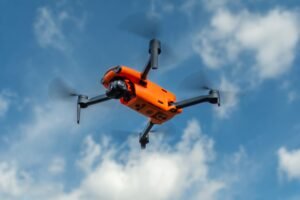
Lighting setups, large production rigs, and wireless equipment can all draw scrutiny depending on the installation. Drone operations are often heavily restricted or prohibited on military installations without specific authorization. Crews should never assume drone use will be permitted simply because the shoot itself has been approved.
Equipment inspections may be required before you’re allowed to bring gear past the gate.
What May Not Be Approved for Filming
Security checkpoints, access-control systems, and certain security-related infrastructure are frequently restricted from photography or filming and may require specific approval. The same goes for certain computer systems, restricted operations, and specific personnel, since some information simply isn’t meant to be recorded or captured in a picture.
One thing that catches businesses off guard is that some interview subjects need separate approval before they can appear on camera at all.
Working with Your Military Point of Contact
Many military installations require advance visitor vetting, and some may conduct background checks or deny access to individuals who cannot meet installation access requirements.
Once approval is in motion, someone still needs to be your day-to-day contact. That’s usually the installation’s Public Affairs Office. They’ll confirm which filming locations are actually cleared, lock down the schedule, and let your crew know if anything changes before the day arrives.
The PAO often has a role in the base’s outreach to the surrounding community. Filming requests aren’t unfamiliar to them. Always stay in touch with your point of contact and share schedule updates or crew changes to avoid issues on filming day.
How Military Base Procedures Affect Production Planning
Every step of a base production takes longer than a commercial shoot. Your schedule should reflect that from the start. Transportation between buildings, parking, unloading equipment, multiple security checkpoints, and limited access windows all add up.
Moving around the installation itself takes longer, too, especially if an escort is required for part of the day. Access can change based on operational needs. Of course, that means filming locations or timelines sometimes shift with little warning.
The right action in that moment is flexibility. Experienced crews plan for these adjustments ahead of time, which is exactly what keeps a shoot efficient even when the day doesn’t go exactly as scheduled.
Preparing Your Crew Before Filming Day
Here’s how you can prepare your crew before filming day:
- Share arrival instructions with the whole crew well before the shoot.
- Confirm identification requirements so no one is fumbling at the gate.
- Know what’s off-limits before the crew walks through the security gate.
- Double-check the equipment list against what’s actually being packed. Bringing something that wasn’t cleared won’t be fine with base personnel, even if it seems harmless.
- Go over expected arrival times as a group, and be honest that the schedule might shift once you’re on-site. A short training conversation the day before saves a lot of confusion on filming day.
Why You Should Work with an Experienced Video Production Team
An inexperienced crew will spend a good portion of the day figuring out things an experienced crew already knows. That can affect your schedule.
DC Corporate Video has filmed on several military bases, and that experience shaped a lot of what’s in this guide. When working with clients looking to shoot on a military installation, we help:
- Coordinate with the right military representatives
- Prepare the right documents
- Build a schedule that holds up when access requirements shift
- Follow security procedures to avoid trouble
Want to Film at a Maryland Military Installation? DC Corporate Video Can Help!
Filming military installations in Maryland takes planning, patience, and a willingness to stay flexible when things shift. Every installation runs its own procedures, and there’s no shortcut around that.
If you’re looking to shoot an interview or capture some stunning footage at a military installation, DC Corporate Video has you covered. Contact us to discuss your project!